
Winner
₹10,000
+ additional gifts
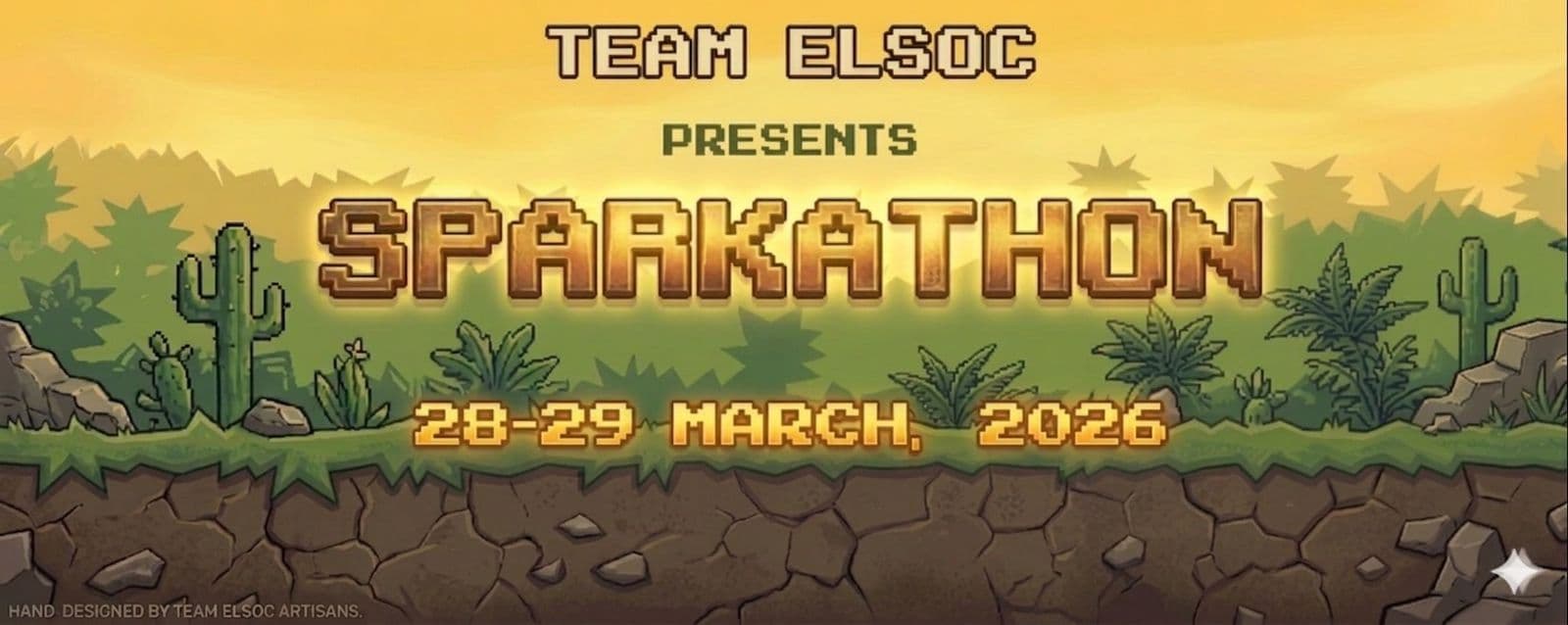
ELSOC Flagship Event
A hackathon-style technical competition where participants solve real-world engineering problems and build innovative solutions.
Tiered prizes for the top three teams — plus additional gifts and certificates.
₹10,000
+ additional gifts
₹6,000
+ additional gifts
₹3,000
+ additional gifts
Every shortlisted team takes home certificates — and the top three walk away with the pool above plus additional gifts.
Eighteen problems across smart energy, AI, robotics and smart cities — pick one and build something that matters.
Traditional power grids are rigid and struggle to efficiently integrate renewable energy sources. The challenge is to design a distributed energy grid that uses artificial intelligence and multi-agent reinforcement learning to dynamically reconfigure energy flow, storage allocation, and load balancing. The system should automatically adapt to changing demand, renewable energy fluctuations, and grid faults while maximizing efficiency and resilience.
Energy markets are still centralized and inefficient. The goal is to develop a decentralized energy trading platform where households and industries can trade excess renewable energy using blockchain technology. Smart meters and AI-based demand prediction should automatically negotiate prices and execute transactions through secure smart contracts.
Large solar farms and wind turbine installations require continuous inspection and maintenance. The challenge is to design a swarm robotics system capable of autonomously inspecting renewable infrastructure, detecting faults, and performing minor repair tasks. The robots should collaborate using swarm intelligence to improve efficiency and reduce maintenance costs.
Smart grids rely heavily on digital communication and IoT systems, making them vulnerable to cyber attacks. The challenge is to develop an intelligent cybersecurity framework that uses AI to detect abnormal activities, prevent cyber intrusions, and protect energy infrastructure in real time.
Many blockchain systems consume significant energy and contribute to carbon emissions. The challenge is to design an environmentally sustainable blockchain protocol that measures and offsets carbon footprints while enabling secure digital transactions. The protocol should incentivize carbon-negative operations and support green energy initiatives.
Future energy grids require faster response and higher efficiency. The problem is to design a grid architecture based on solid-state transformers controlled by artificial intelligence. The system should manage power distribution dynamically and maintain stability even under fluctuating renewable energy inputs.
Floating solar panels installed on lakes and reservoirs face challenges due to weather variations and water movement. The objective is to design a floating solar platform that automatically adjusts its position and angle based on sunlight and environmental conditions to maximize energy production.
During natural disasters, communication networks often collapse, making rescue coordination difficult. The challenge is to design a portable and rapidly deployable communication hub that can create an emergency wireless network to enable communication between rescue teams and affected populations.
Solar panels generate maximum energy when aligned with the sun, but traditional trackers rely on electrical motors and sensors. The challenge is to develop a low-cost mechanical solar tracking system that uses passive mechanisms such as thermal expansion or gravity to track sunlight without using electricity.
Electricity theft is a major problem in many regions and leads to financial losses for utilities. The objective is to develop an AI-based monitoring system that analyzes consumption patterns and identifies abnormal usage that may indicate electricity theft.
Air pollution is a growing issue in urban areas. The challenge is to design an affordable decentralized air purification system that can be installed in homes or small communities and uses IoT sensors to monitor and improve air quality.
Illegal electricity tapping and meter tampering create huge losses in the power sector. The challenge is to develop a system using smart sensors and data analytics that can detect unauthorized connections and alert authorities in real time.
Urban traffic congestion causes delays, pollution, and accidents. The goal is to develop a smart traffic management system that uses real-time traffic data and AI algorithms to optimize traffic signals and reduce congestion.
Power utilities require efficient monitoring systems to reduce energy losses. The challenge is to design a smart energy monitoring system that uses IoT sensors and machine learning algorithms to identify irregular consumption patterns and detect power theft.
Renewable energy sources such as solar and wind are intermittent and difficult to integrate into traditional grids. The challenge is to develop a system that efficiently integrates renewable energy with existing power infrastructure while maintaining grid stability.
Energy consumption in buildings contributes significantly to global energy demand. The objective is to design smart building systems that automatically optimize energy usage through intelligent lighting, climate control, and appliance management.
Faults in electrical grids can lead to power outages and infrastructure damage. The challenge is to develop a real-time monitoring system that quickly detects faults in transmission and distribution networks and triggers automated corrective actions.
Street lighting consumes a large amount of electricity in cities. The goal is to design an intelligent street lighting system that automatically adjusts brightness based on traffic, time, and environmental conditions to save energy.
Have your own problem statement related to smart energy? Share it with the community!
Approved community ideas will appear here — yours could be first.
Scenes from the AI-emma Workshop — the hands-on session that kicked off this Sparkathon season.
The people wiring this event together.
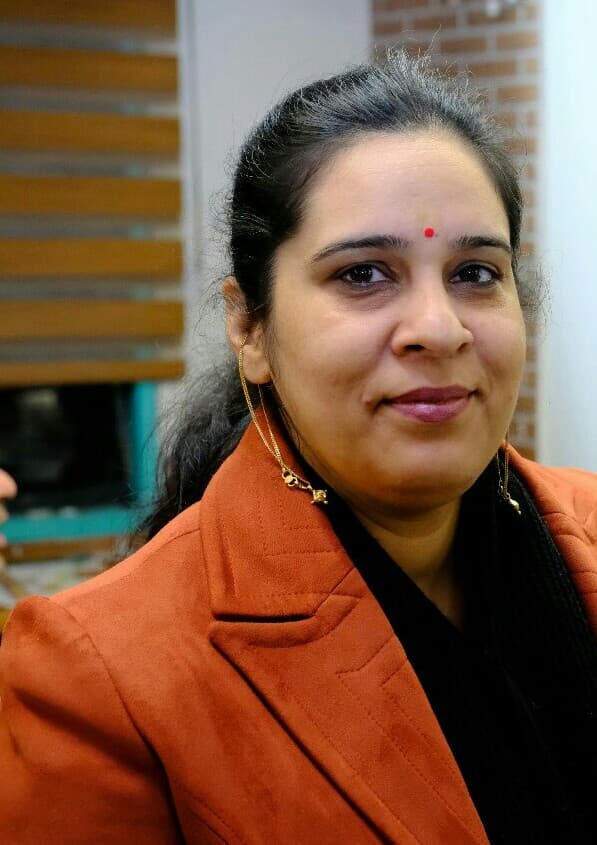
Dr. Bharti Bakshi Koul
Coordinator, ELSOC

Dr. Katam Nishanth
Coordinator, ELSOC
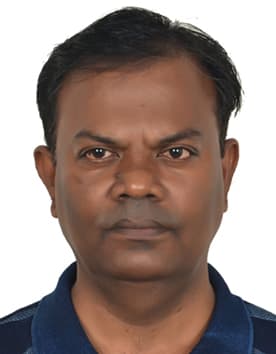
Dr. Chandrasekaran S
Coordinator, ELSOC

Pratibha Bajia
President
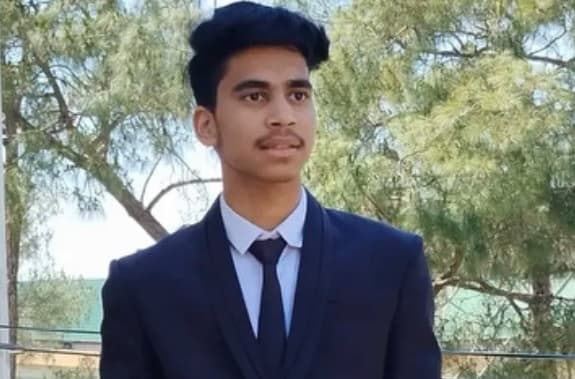
Nitin
Vice-President

Mohit Kumar
Finance Secretary

Kriti Benjwal
Media and Marketing Head

Sahil Jaswal
Technical and Event Organisation Head

Ronak Dotasara
General Secretary

Vikalp Chaudhary
Joint Secretary
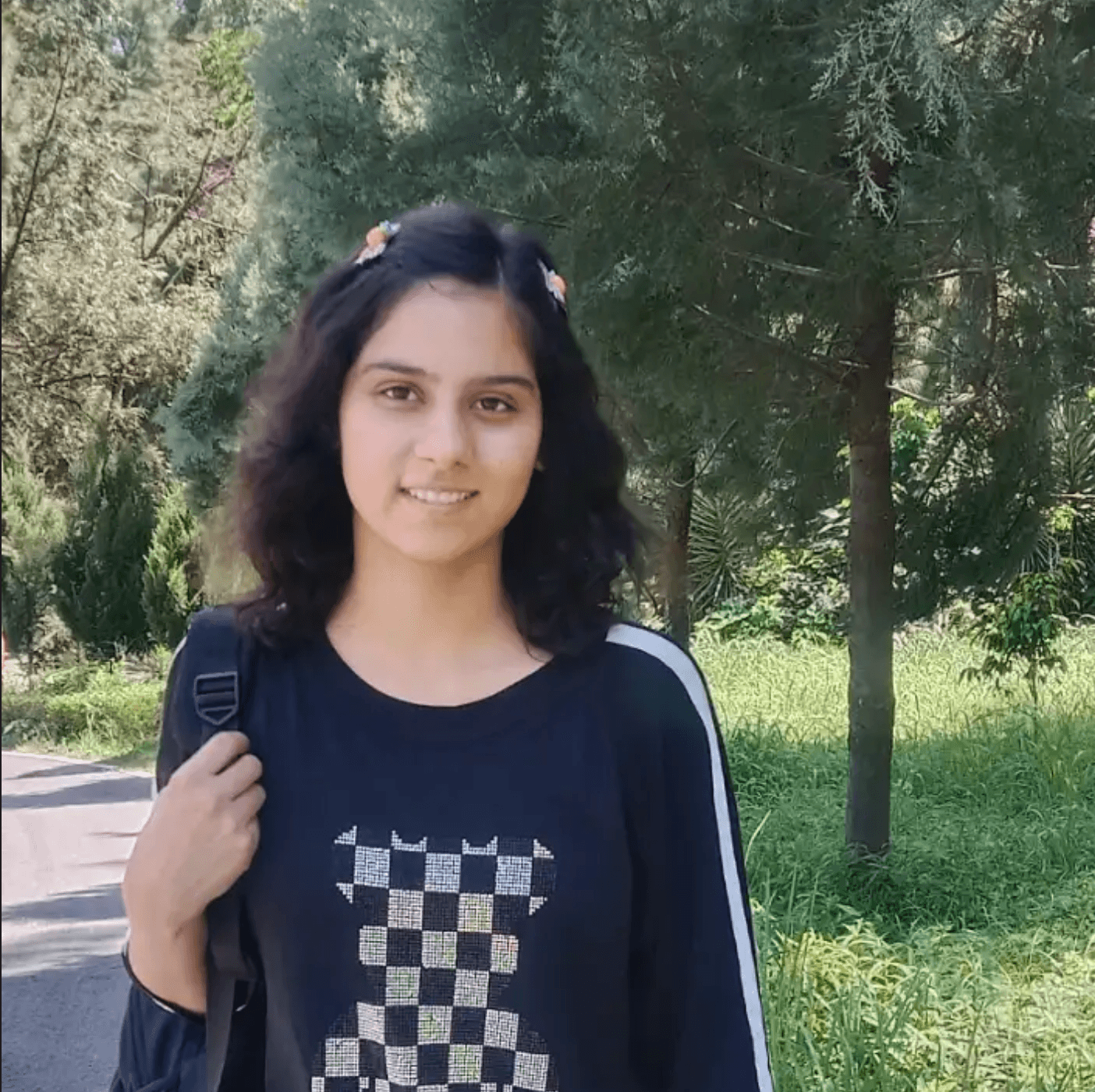
Priya
Media and Marketing Coordinator

Sanyam Vats
Project Coordinator

Vikas Kumar
Design Coordinator

Aryan Dhaka
Technical Coordinator

Riya Choudhary
Content Coordinator

Skand Nagar
Event Organisation Coordinator

Akshit Vardhan
Finance Coordinator
Questions about the event? Reach the committee →